
Pickleball Injury Treatment in Singapore for Fast Recovery
The most common pickleball injuries are strains, sprains, and tendon inflammations. The earliest detection of the injury, combined with proper treatment and follow-up sessions at an international medical clinic in Singapore, will not only speed up the healing process but also reduce the likelihood of complications. International medical clinics follow structured clinical evaluation and treatment pathways to ensure patients return safely to their activities
What Are The Most Common Types of Injuries in Pickleball?
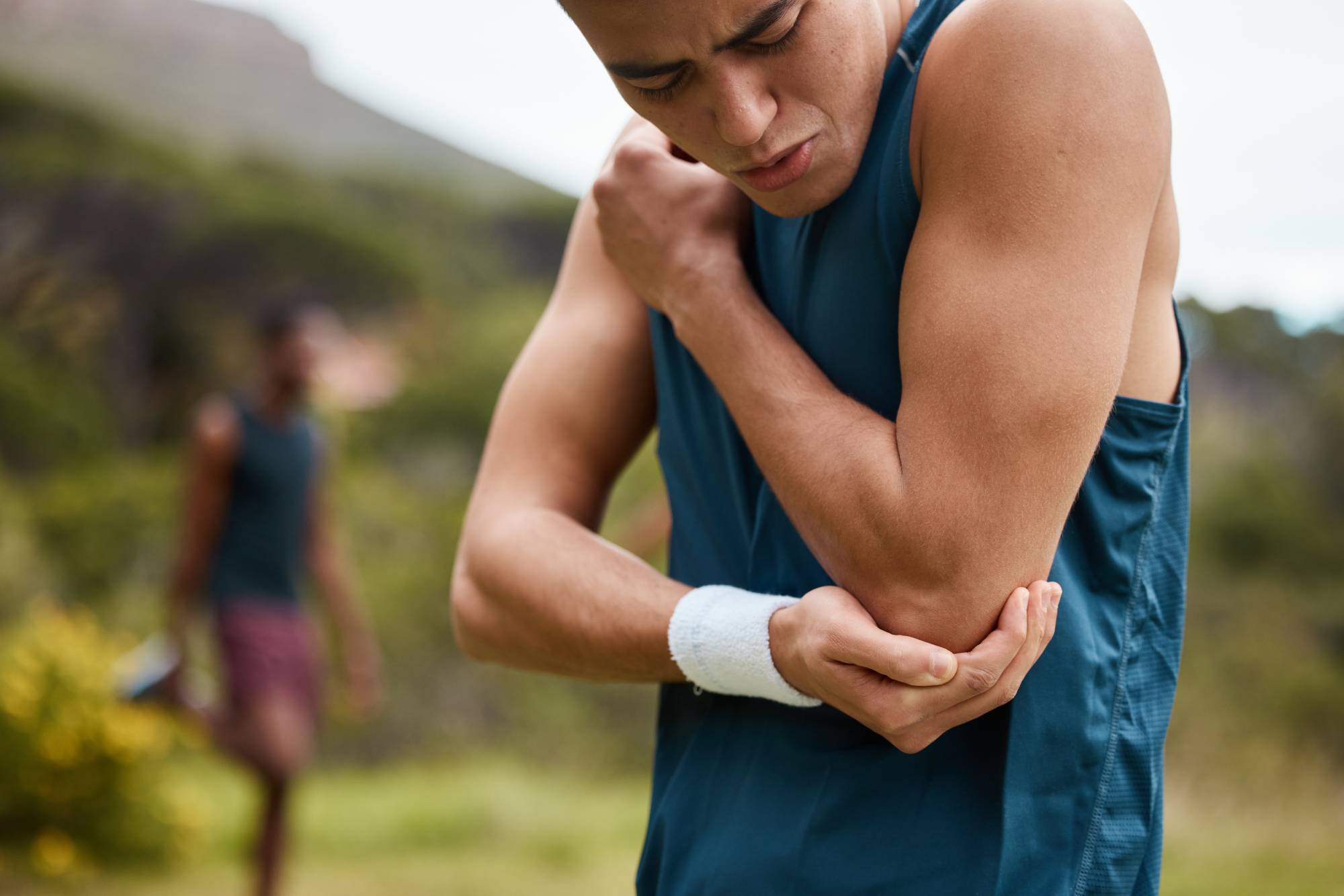
Pickleball involves fast moves, repetitive hitting and abrupt changes in direction, which together stress the joints and soft tissues. Elbows, shoulders, knees, and ankles are the body parts that are most vulnerable to injuries due to overuse or improper techniques. Our international clinic in Singapore has the right facilities to diagnose injuries of this kind with a detailed patient history and thorough medical check and examination. If one can identify early that muscles or tendons have been overstretched or inflamed, it will be possible to prevent them from developing further into serious conditions.
Which Injuries Do We Normally Handle?
One of the most frequent complaints of injured patients is lateral epicondylitis, also called tennis elbow, which occurs as a result of repetitive forearm muscle strain. Also, a number of them get their shoulders damaged due to a rotator cuff tear caused by excessive usage of the arm above the head. Ligaments in the knee can be damaged when there is a sudden change of direction. In fact, these conditions are often the result of repeated exposure to mechanical stress of tendons and joints (Hootman, Dick, and Agel, 2007).
Factors That Lead To These Injuries
Warm-up procedures not up to the mark, incorrect technique or sudden spikes in activity levels are among the reasons for injuries. Incorrect body conditioning will reduce the body’s ability to handle repetitive stress. Research has reported that the absence of formal warm-up sessions can be a risk factor for musculoskeletal injuries (Fradkin, Gabbe, and Cameron, 2006). Besides, footgear and playing surfaces can also play a part in either increasing or decreasing the risk of injuries.
Diagnosis And Clinical Evaluation Process
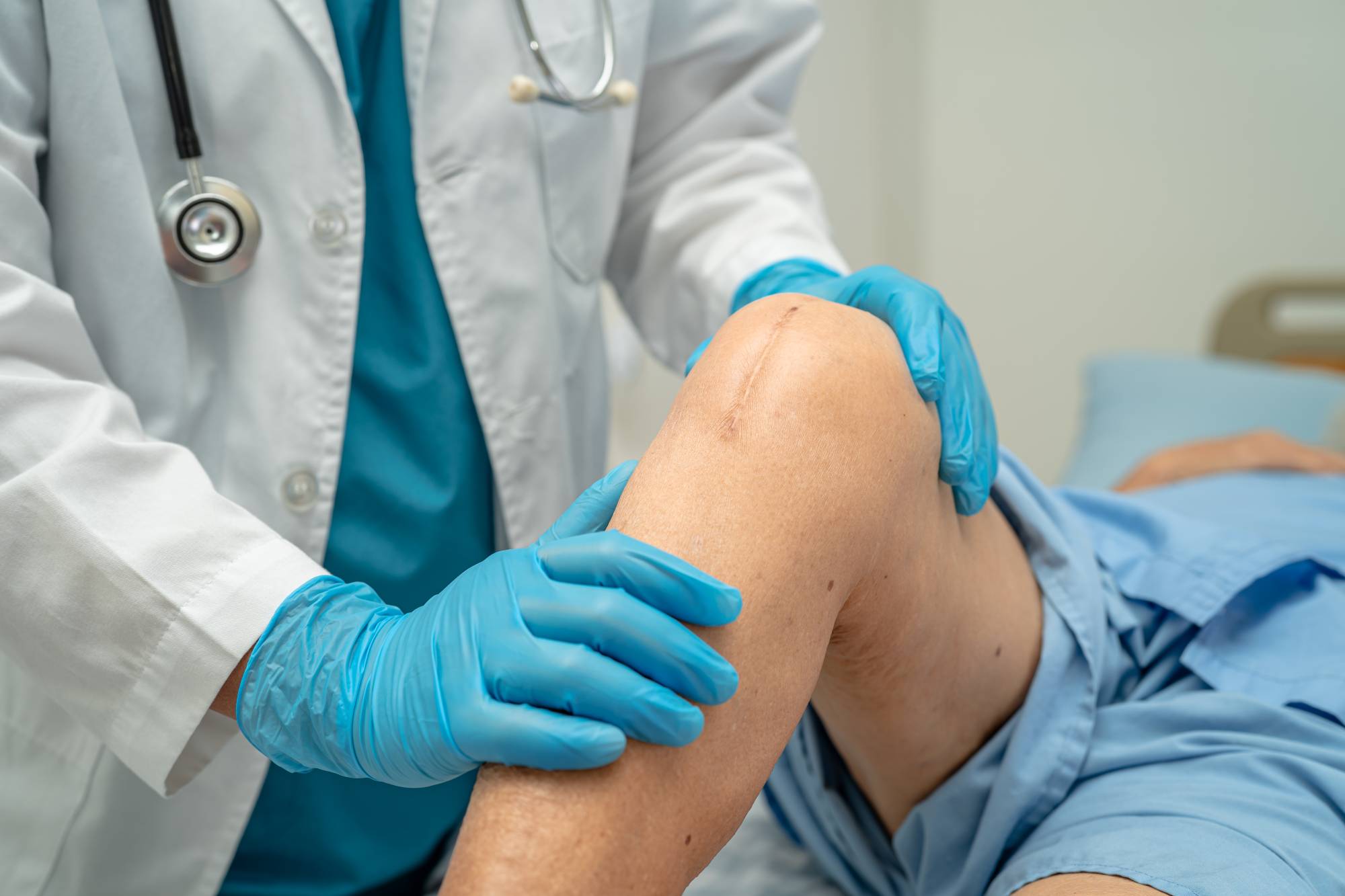
Correct diagnosis is the basis of an effective treatment. We at the GP clinic in Orchard follow the well-known clinical guidelines when assessing the seriousness of the injury and its underlying causes. Immediate evaluation allows for the right line of treatment and prevents the development of further problems. A clinical assessment involves a physical examination and, when required, diagnostic imaging.
Physical Examination And Assessment
The initial step is examining the patient physically to evaluate symptoms such as swelling, pain or range of motion limitations. To locate functional restrictions, strength testing is carried out. Through clinical examination, we gain a better understanding of the structures involved and the extent of the injury. Treatment and recovery are planned based on the examination results.
Imaging And Diagnostic Support
Sometimes, doctors need X-rays or MRI scans. These scans help see internal injuries. Some injuries cannot be detected during physical examination. Imaging helps track recovery after treatment. This leads to more accurate and targeted care (Jarvik and Deyo, 2002).
Treatment Options For Faster Recovery
Therapy initially targets inflammation relief, function recovery, and decreasing the risk of further injury. We at our international medical clinic in Orchard make personal treatment plans on the basis of a thorough clinical examination. Doing healthcare and rehabilitation together, that is to say, combining medical help with human restoration therapies, is the right way to heal more effectively.
Medication And Pain Management
Managing pain may be one of the most important phases in treatment. For anti-inflammatory purposes, non-steroidal anti-inflammatory drugs are commonly administered, and clinical evidence shows they are effective in relieving musculoskeletal pain (Roelofs et al., 2008). Initially, complete rest and applying cold packs are recommended. When pain is under control, patients will be able to do rehabilitation safely, which is one of the aspects of a speedy recovery.
Physiotherapy And Rehabilitation Care
Physiotherapy is actually a very integral part of rehabilitation in the sense that it allows one to regain strength and movement. Cutting down muscle, tissue shortening and, at the same time, increasing ROM can all be the results of the training sessions guided by a therapist at our clinic in Orchard. Recent studies show that patients who undergo structured exercise therapy demonstrate improved functional outcomes (Hayden et al., 2005). Working step by step helps prevent injuries from happening again. Thus, by continuously carrying on with therapy, long-term recovery is strengthened.
Preventing Future Sports Injuries
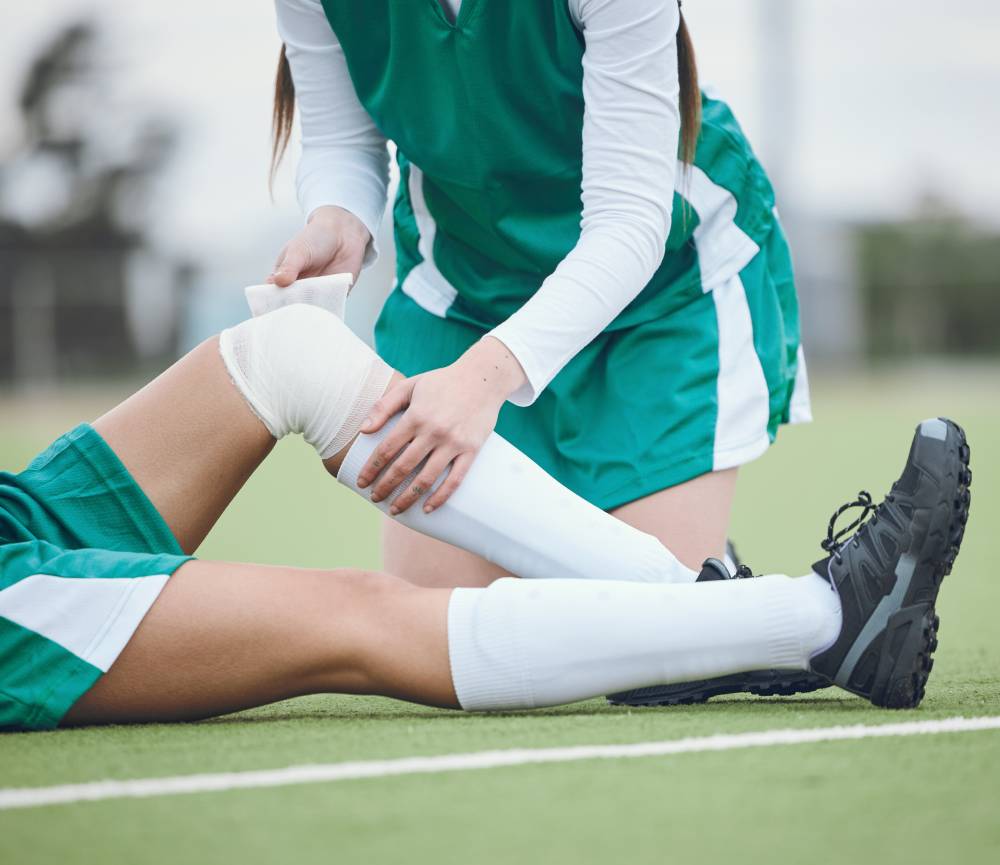
First of all, prevention is the royal road to health and peak performance over the long run. And what better way to keep an eye on your recovery and your treatment than by regular follow-up visits at international medical clinics? Besides taking care of your injury, preventive measures are mainly oriented towards your condition, your technique, and your awareness of injuries. Such things not only lessen the chances of injuries coming back but also work wonders for your strength and endurance.
Warm-Up And Conditioning
Warm-up of the right quality is what gets your muscles and joints ready for work. Stretching and strengthening exercises are increasing one’s range of motion and stamina. Studies have shown that injury prevention programs that are comprehensive, well-structured, and executed regularly can significantly reduce the number of sports-related injuries (Lauersen, Bertelsen, and Andersen, 2014). Besides, conditioning is beneficial for enhancing joint stability and increasing muscle strength, which is capable of minimising the amount of pressure present in the course of the activity. Consistent training is a great ally when it comes to preventing injuries.
Technique And Equipment Awareness
When one uses the right technique, they manage to avoid heavy physical stress on the joints and muscles. Good shoes are an excellent means of getting stability and support while moving around. At our clinic in Orchard, we encourage patients to follow safe movement patterns and implement the corresponding injury prevention strategies. Understanding your body’s mechanics leads to better results and fewer injuries. Taking care of injury prevention paves the way for one’s sports career.
Key Recovery Summary Points
- Early diagnosis supports faster recovery.
- Structured treatment reduces complications.
- Physiotherapy improves mobility and strength.
- Proper warm-up lowers injury risk.
- Preventive care reduces recurrence.
Treatment Approach Comparison
| Aspect | Early Treatment Approach | Delayed Treatment Approach |
|---|---|---|
| Pain Management | Instant comfort | Lingering pain |
| Recovery Time | Quicker restoration | Longer healing period |
| Risk of Complications | Less chance | More chance |
| Mobility Restoration | Initial progress | Later progress |
| Long-term Outcome | Steady improvement | Potentially long-lasting problems |
Start Your Pickleball Injury Recovery at CHI Health
Pickleball injuries necessitate prompt diagnosis coupled with a well-structured treatment plan to achieve optimal recovery. Visiting a quality health care clinic significantly enhances the chances of an accurate diagnosis and personalised treatment. At CHI Health, we are committed to not only healing your injuries thoroughly but also helping you prevent injuries in the future through our comprehensive care services.