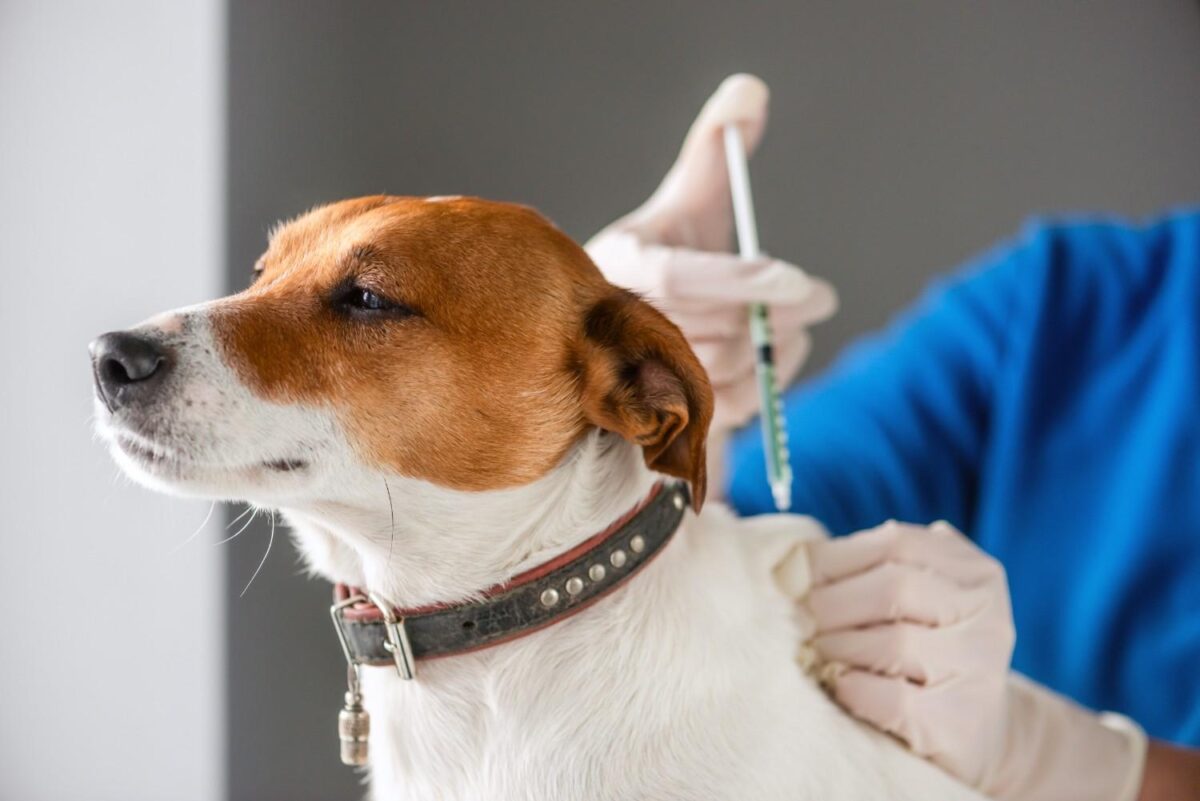
Rabies Vaccination in Singapore: A Complete Guide to Prevention and Treatment
Rabies vaccinations help to prevent infections when given before or after exposure. Although Singapore is currently free of rabies, travellers visiting other countries where the disease is present, or those who are bitten or scratched by animals overseas, may still require medical assessment. Seeking immediate medical consultation after a potential exposure can help prevent rabies through timely treatment.
If you have been bitten, scratched, or otherwise exposed to a potentially rabid animal, seeking prompt medical treatment is crucial. Knowing when rabies vaccination is needed is not always straightforward. Our international medical clinic in Orchard can assess your risk and recommend appropriate treatment promptly. Once symptoms develop, rabies can become fatal. However, the disease is preventable with timely treatment, including rabies vaccination when indicated.
What Is Rabies Virus?
Rabies is a viral disease that affects the brain and nervous system. It is most commonly transmitted through the saliva of an infected animal, usually via bites. Rabies can also be transmitted if infected saliva enters the body through scratches, broken skin, or mucous membranes, such as those in the eyes, nose, or mouth. The virus can infect many mammals, including dogs, cats, bats, monkeys, and other wild animals.
Is Rabies A Concern In Singapore?
Singapore has implemented strict import regulations for animals that have helped keep the country free of rabies. As a result, the risk of rabies exposure within Singapore is extremely low.
However, travellers visiting countries where rabies remains common, particularly in parts of Asia, Africa, and Latin America, may be at risk of exposure. Anyone who is bitten, scratched, or otherwise exposed to a potentially rabid animal should seek medical attention as soon as possible.
Who Should Consider Rabies Vaccination?
People who may benefit from rabies vaccination include, but are not limited to:
- Travellers visiting countries where rabies is common, particularly those making frequent trips or staying for extended periods.
- Veterinarians, animal handlers, and animal care workers.
- Laboratory personnel and researchers who work with the rabies virus or potentially infected animals.
- Wildlife conservationists, park rangers, and wildlife sanctuary staff.
These groups are at higher risk of exposure because their work or travel increases the likelihood of contact with potentially rabid animals.
What Should You Do After an Animal Bite?
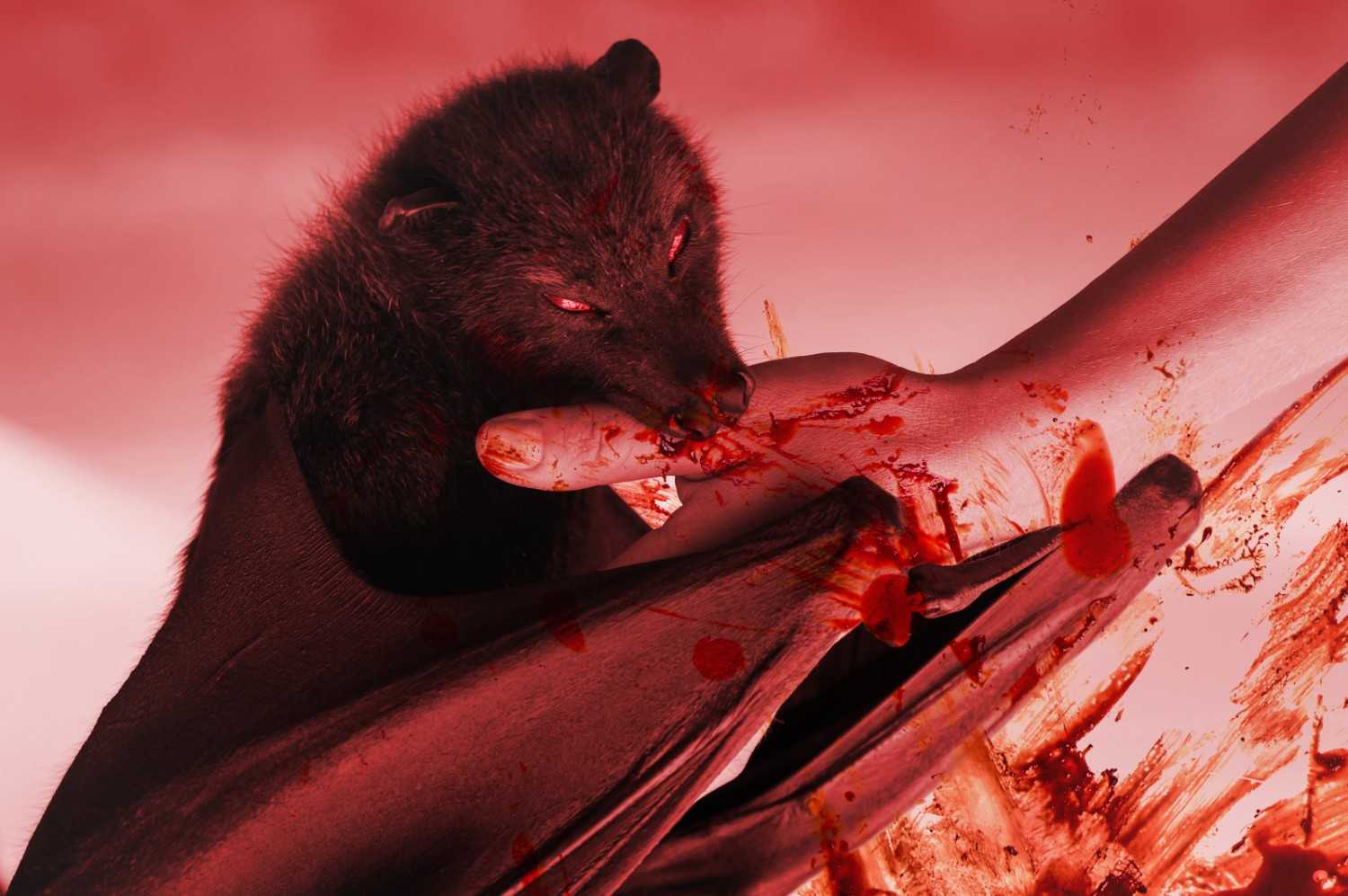
Immediately after an animal bite or scratch, wash the wound thoroughly with soap and running water for at least 15 minutes to help reduce the amount of virus present. After washing the wound, an antiseptic may be applied if available. Even minor wounds should be assessed promptly by a doctor, as rabies can be fatal once the virus reaches the central nervous system and symptoms develop.
Following a medical assessment, your doctor will determine whether wound care alone is sufficient or whether post-exposure treatment is required. This may include rabies vaccination and, in some cases, rabies immunoglobulin (RIG) to help prevent the disease from developing.
Pre-Exposure vs. Post-Exposure Vaccination
A travel health consultation can help determine whether pre-exposure rabies vaccination is recommended based on your destination, planned activities, and duration of travel. Post-exposure vaccination is administered after a potential rabies exposure, such as an animal bite or scratch. Both pre-exposure and post-exposure vaccination play important roles in preventing rabies.
Vaccination Type | When It Is Given | Purpose |
Pre-exposure vaccination | Before potential exposure, such as prior to travelling to rabies-endemic countries or for people in high-risk occupations. | Simplifies post-exposure treatment by eliminating the need for rabies immunoglobulin (in most cases) and reducing the number of vaccine doses required. It also provides additional protection if immediate medical care is delayed. |
Post-exposure vaccination | As soon as possible after a bite, scratch, or other potential rabies exposure. | Prevents rabies from developing when started promptly after a potential exposure. Depending on the exposure, treatment may also include rabies immunoglobulin. |
Common Symptoms Of Rabies
Rabies symptoms do not appear immediately after exposure. The incubation period typically ranges from several weeks to a few months. In most cases, symptoms appear around 3–12 weeks after exposure.
Early symptoms may include fever, headache, neck stiffness, excessive salivation, tingling or pain at the site of the bite, anxiety, and general weakness or discomfort. As the disease progresses, more severe neurological symptoms may develop, including difficulty swallowing, agitation or aggressive behaviour, hydrophobia (fear of water), paralysis, and eventually coma.
How to Reduce the Risk of Rabies
While travelling to rabies-endemic areas, avoid contact with both wild and domestic animals, especially those that appear sick or behave unusually. Do not feed or approach wild animals, as they may carry rabies even if they appear healthy. Children should be closely supervised around animals they do not know or are unfamiliar with.
Key Takeaways
- Avoid touching or approaching unfamiliar animals.
- Supervise children closely around unfamiliar animals.
- Do not feed or approach wild animals.
- Seek immediate medical attention if you are bitten, scratched, or exposed to the saliva of any potentially rabid animal.
- Wash the wound immediately with soap and running water for at least 15 minutes, then seek medical attention.
When Should You Visit a Doctor?

If you are bitten or scratched by an animal while travelling in a country where rabies is present, seek medical attention immediately for a thorough assessment.Prompt medical assessment can make a significant difference in preventing rabies, regardless of how minor the wound appears. A GP can assess the wound, provide initial treatment, and determine whether referral for additional care, such as rabies vaccination or rabies immunoglobulin(RIG) is required.
If you are unsure whether treatment is needed, our international medical clinic in Orchard can assess your condition and recommend the appropriate next steps. During the assessment, your doctor will consider the type of animal involved, the nature of the exposure, and where it occurred to determine whether post-exposure treatment is required.
How CHI Health Supports Travellers and Patients
Complete Healthcare International (CHI) Health provides assessment and medical advice for rabies prevention, travel health, and potential rabies exposure. Following a potential exposure, prompt medical assessment and treatment are essential to prevent rabies from developing. Our GP clinic in Orchard provides wound assessment and management, rabies vaccination recommendations, travel health advice, and follow-up care tailored to each patient’s needs.
If a potential rabies exposure occurs, treatment should begin as soon as possible, as prompt post-exposure care is highly effective in preventing rabies.
Professional Rabies Assessment & Vaccination at Singapore’s Medical Clinic
Rabies vaccination is highly effective in preventing the disease when given before exposure or promptly after a potential exposure.Following a potential exposure, prompt medical assessment and treatment are essential to prevent rabies from developing. Our GP clinic in Orchard can assess your risk, provide appropriate treatment, and advise you on the next steps following a potential rabies exposure or before overseas travel. If you have concerns about rabies after travelling or following an animal bite or scratch, contact CHI Health promptly for a medical assessment.