
Swollen Eye Conditions: Puffy and Watery Eyes | Symptoms, Causes and Treatment
A swollen eye can be uncomfortable and may come with redness, watering or pain. Swollen eye conditions can have several causes. Maybe it’s just allergies. Sometimes it’s an infection, or you bumped your eye without realising it. You might notice it in one eye, or both. Ultimately, what helps most depends on what caused the problem in the first place.
What Are Swollen Eye Conditions?
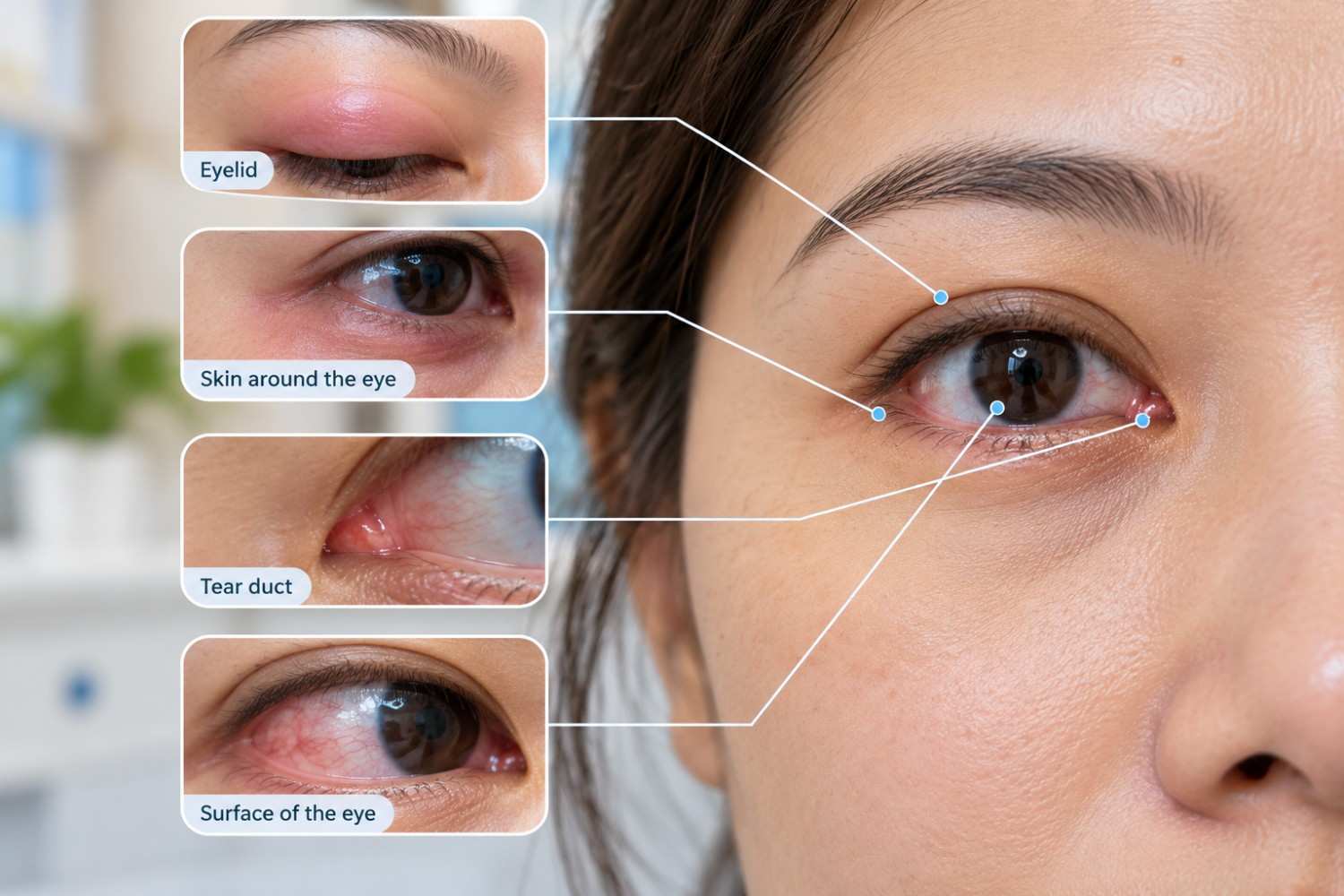
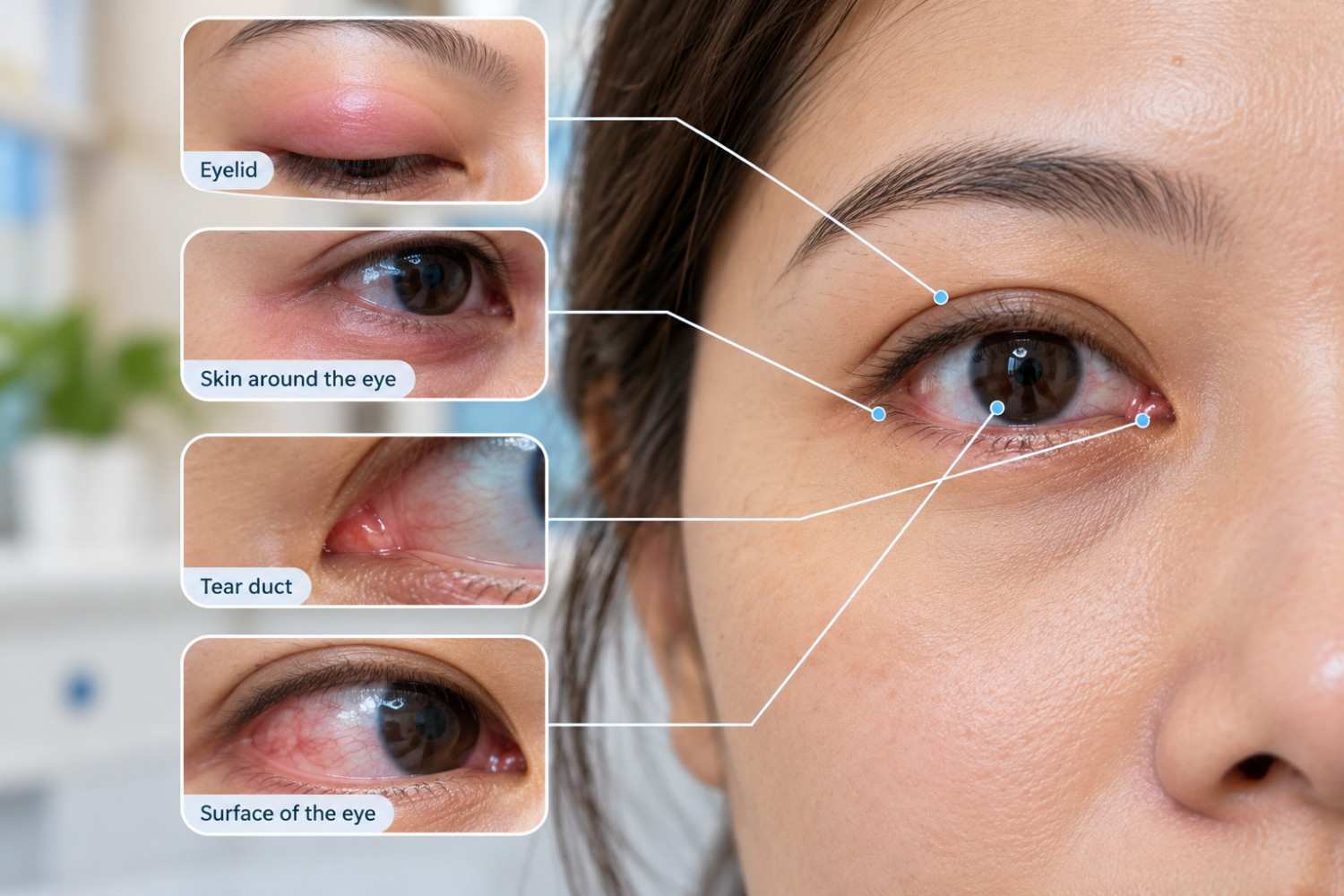
Swelling can affect the eyelids, the skin around the eyes, tear ducts or the surface of the eye. It may appear as puffiness, redness or a visible lump. Some people also experience watery eyes, irritation or discomfort. The cause can vary, so symptoms and how quickly they develop matter when deciding what care is needed. A family clinic in Orchard can help assess common symptoms and advise whether further care is needed.
Common Symptoms of a Swollen Eye
The symptoms depend on the affected part of the eye and the underlying cause. They may include:
- Puffiness or swelling around one or both eyes
- Redness, itching or a burning sensation
- Excessive watering or sticky discharge
- Pain or tenderness around the eyelid
- Sensitivity to light
- Blurred vision or other changes in eyesight
Itching and watering may occur with allergies, while pain, redness and discharge can also point to an infection. New vision changes should always be assessed promptly.
Why Do Eyes Become Puffy and Watery?
Puffiness and watering can occur when the tissues around the eye become inflamed or fluid builds up. Allergens, infections, blocked glands, injuries and some wider health conditions can all contribute. Swelling that affects both eyes may have a different cause from sudden swelling in just one eye, but symptoms alone cannot confirm a diagnosis. A clinic in Orchard can assess persistent or unexplained symptoms and recommend suitable care.
Causes of Swollen Eye Conditions
Several conditions can lead to swollen or watery eyes. A doctor or optometrist may consider the pattern of swelling, other symptoms, recent exposures and medical history to identify the cause. People looking for a family clinic in Orchard can seek an initial assessment for common eye concerns.
Allergies and Eyelid Inflammation
Allergic reactions can cause itching, redness, puffiness and watery eyes. Common triggers include pollen, dust, mould, animal dander, certain cosmetics and skincare products. Allergic eye symptoms often affect both eyes, although the pattern can vary. Eyelid dermatitis may also cause irritation, redness, scaling and swelling after contact with an irritating or allergenic substance. A clinic in Orchard can help assess recurring symptoms and discuss possible allergy-related causes.
Styes, Chalazions and Eye Infections
A stye is a tender lump that can develop when an eyelid gland becomes infected or inflamed. A chalazion is usually a less painful lump caused by a blocked oil gland. Conjunctivitis, blepharitis and infections of the tissues around the eye can also cause swelling, redness or discharge.
Some infections, including orbital cellulitis, affect deeper tissues around the eye and can become serious. Swelling accompanied by fever, severe pain, a bulging eye, double vision or pain when moving the eye requires urgent medical assessment.
Injuries and Other Medical Conditions
A blow to the face, a foreign object, a chemical splash or an accident can cause swelling around the eye. Some skin conditions may also affect the eyelids. In certain cases, ongoing or recurring puffiness can be associated with a wider medical condition, including thyroid-related eye disease or conditions that cause fluid retention. Persistent or unexplained swelling should be assessed rather than treated repeatedly at home. Shaw House Clinic may be considered for an initial medical assessment.
How Doctors Treat Swollen Eyes
It really comes down to what’s causing the problem. When you see an eye doctor, they’ll usually take a close look at your eyelids and the surface of your eye. They’ll check how well you can see and move your eyes, and ask questions about pain, discharge, allergies, injuries, or any illness you’ve had recently. If things aren’t clear or something seems more serious, they’ll probably run more tests. An Orchard medical clinic can provide an initial assessment and advise if an eye specialist is needed.
Treatment Options Based on the Cause
Possible cause | Treatment approach |
Allergies | Avoiding the trigger and using suitable antihistamine treatment, as advised by a healthcare professional |
Stye or chalazion | A clean, warm compress may help; persistent lumps may need medical review |
Bacterial infection | Prescription antibiotics may be needed after assessment |
Injury or foreign object | Appropriate first aid and medical examination, depending on the injury |
Underlying medical condition | Treatment directed at the identified condition |
Do not use leftover antibiotic or steroid eye drops without medical advice. The wrong treatment may delay proper care or worsen certain eye conditions.
Safe Home Care for Mild Swelling
For mild swelling without warning signs, a few simple steps may help ease discomfort. An International Medical Clinic can also advise on home care when an assessment is needed.
- Avoid rubbing or pressing the affected eye.
- Wash your hands before touching the area around your eyes.
- Pause contact lens use and eye makeup until symptoms settle.
- Use a clean, cool compress for general puffiness or allergy-related discomfort.
- Use a clean, warm compress for a suspected stye or chalazion.
- Avoid sharing towels, eye makeup or eye-care products.
If a chemical gets into the eye, rinse it immediately with plenty of clean running water and seek urgent medical care. Do not try to remove an embedded object yourself.
When to Seek Medical Attention
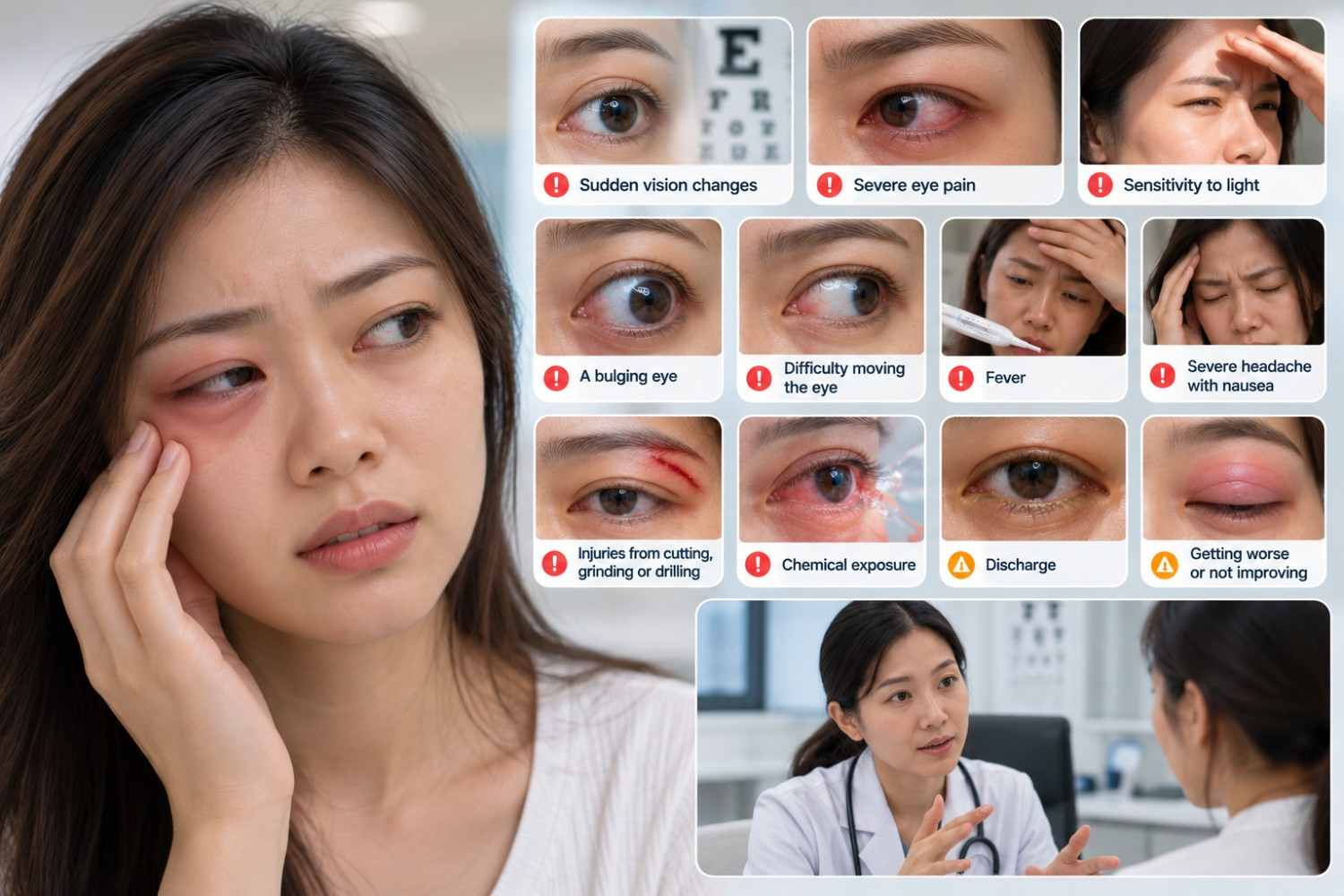
Seek urgent medical care if swelling occurs with sudden vision changes, severe eye pain, unusual sensitivity to light, a bulging eye, difficulty moving the eye, fever or a severe headache with nausea. Chemical exposure and injuries involving cutting, grinding or drilling also need immediate assessment. A family clinic in Orchard can assess less urgent symptoms and advise whether specialist care is required.
Arrange a medical review if the swelling is getting worse, keeps returning, has discharge or does not improve after a few days. Early assessment can help identify the cause and reduce the risk of complications.
Preventing Swollen and Watery Eyes
Some causes of eye swelling can be reduced with regular hygiene and practical precautions. Wash your hands before you touch your eyes. Make sure your makeup brushes and tools stay clean, and never share your eye makeup or towels. If you have allergies, figure out what triggers them. And if you’re doing anything that could put your eyes at risk, like working with tools or playing sports, wear some protective eyewear. Shaw House Clinic can offer advice if swelling continues to return.
If your eyes keep swelling up or you can’t figure out why it’s happening, don’t brush it off. A healthcare provider can check things out and see if it’s from an eye problem or something else going on with your health. CHI Health can handle those general checkups.