
Essential Tips for Coping With Headaches That Never Stop
Frequent headaches can make daily life challenging. At our clinic, we commonly help individuals dealing with persistent headache patterns that affect their productivity and overall health. Coping starts with understanding possible triggers, making simple lifestyle adjustments, and knowing when to seek medical evaluation. While occasional headaches are common, constant headaches everyday may signal underlying concerns that need attention. By recognising the causes of persistent headache and adopting practical strategies, individuals can better manage symptoms and reduce the frequency or intensity over time.

Understanding Persistent Headaches
Recurring or persistent headaches can be caused by tension-type headaches, migraines, or secondary issues such as stress and insomnia problems. According to the World Health Organization, headaches are one of the most widespread neurological conditions globally.
The causes of persistent headache can vary widely. Some are lifestyle-related, while others may require medical evaluation. Understanding the pattern of your symptoms is an important first step.
Common Causes of Persistent Headaches
Some of the most reported triggers include:
- Stress and emotional tension
- Poor sleep quality or irregular sleep patterns
- Excessive caffeine consumption
- Dehydration
- Eye strain from prolonged screen use
- Hormonal changes
- Underlying medical conditions
At an expat clinic in Singapore, we often look at these things in a detailed consultation to find patterns instead of doing tests that aren’t needed right away.
Practical Tips to Manage Constant Headaches

Rather than a single remedy, managing daily headaches typically requires small, consistent lifestyle adjustments. These are a few evidence-based tactics:
1. Stay Physically Active
Regular movement helps reduce muscle tension and improves blood circulation. Research from the Mayo Clinic suggests that moderate exercise may reduce headache frequency by lowering stress levels.
2. Monitor Caffeine Intake
While small amounts of caffeine can sometimes relieve headaches, excessive intake may trigger them. Gradually reducing caffeine can help stabilise symptoms.
3. Maintain a Balanced Diet
Skipping meals or consuming highly processed foods can contribute to headaches. Some individuals notice improvement when they avoid common triggers like:
- Processed meats
- High-sugar foods
- Alcohol
- Artificial additives
Keeping a food diary can help identify personal triggers.
Lifestyle Factors and Their Impact
| Factor | How It Affects Headaches | What to Do |
| Sleep | Irregular sleep can trigger headaches | Maintain a consistent sleep schedule |
| Hydration | Dehydration may cause head pain | Drink enough water daily |
| Stress | Increases muscle tension | Practice relaxation techniques |
| Screen Time | Causes eye strain | Take regular breaks |
4. Prioritise Sleep
Healthy sleep habits are important for headache management. Changes in sleep patterns can often lead to headaches. The CDC says that getting enough sleep is important for your brain to work properly.
If snoring or interrupted sleep is present, it may be worth discussing possible sleep-related conditions with a healthcare provider.
5. Manage Stress Effectively

Stress is one of the most common things that can cause headaches that don’t go away. Easy ways like:
- Exercises for deep breathing
- Meditation
- A little stretching
- Taking short breaks at work
can help ease stress. Changes to your daily routine, even small ones, can have a big effect over time.
6. Limit Alcohol and Avoid Smoking
Alcohol and tobacco can change how blood vessels and the brain work, which could lead to headaches. Cutting back on or avoiding these things might help you get fewer headaches.
When to Seek Medical Advice
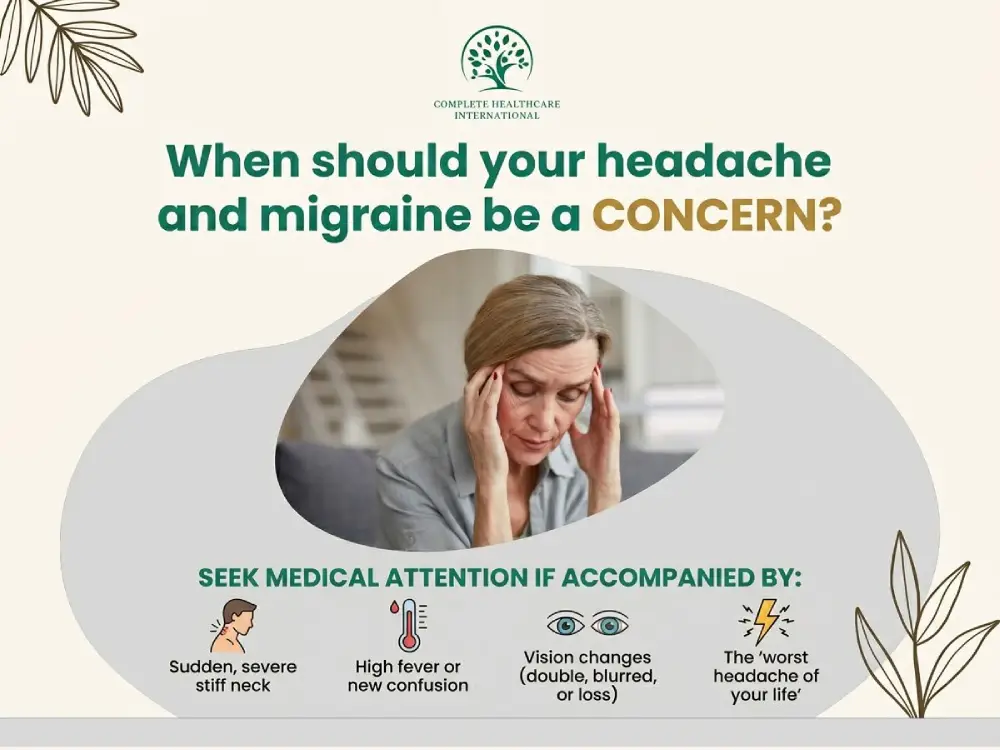
While many headaches can be managed with lifestyle changes, there are situations where medical evaluation is important. At a Singapore international medical clinic, we generally recommend assessment if:
- Headaches happen a lot over the course of a few weeks.
- Pain makes it hard to do things every day.
- Symptoms get worse over time.
- Other symptoms include changes in vision or feeling dizzy.
The National Institute of Neurological Disorders and Stroke says that doctors should look into persistent or strange headache patterns to rule out other problems.
A Balanced Approach to Treatment
Not every headache needs a lot of tests or treatment. Finding out what causes your symptoms and making small changes to your lifestyle can often help you deal with them better. Medical evaluations help people make decisions, not push them into procedures they don’t need.
Whether it’s a general consultation or a Singapore expat clinic setting, we focus on the following at our clinic:
- Understanding individual headache patterns
- Reviewing lifestyle factors
- Recommending appropriate next steps only when needed
Living Well Despite Persistent Headaches
Living with constant headaches everyday can be challenging, but understanding the causes of persistent headache and making thoughtful lifestyle adjustments can help improve daily comfort. Headaches are often a sign of how the body reacts to stress, sleep, food, and daily life. People can better manage their symptoms by paying attention to these things and getting medical help when they need it. At our clinic, including the expat clinic Singapore, we always try to help with safe, appropriate evaluations and avoid unnecessary interventions.
Frequently Asked Questions